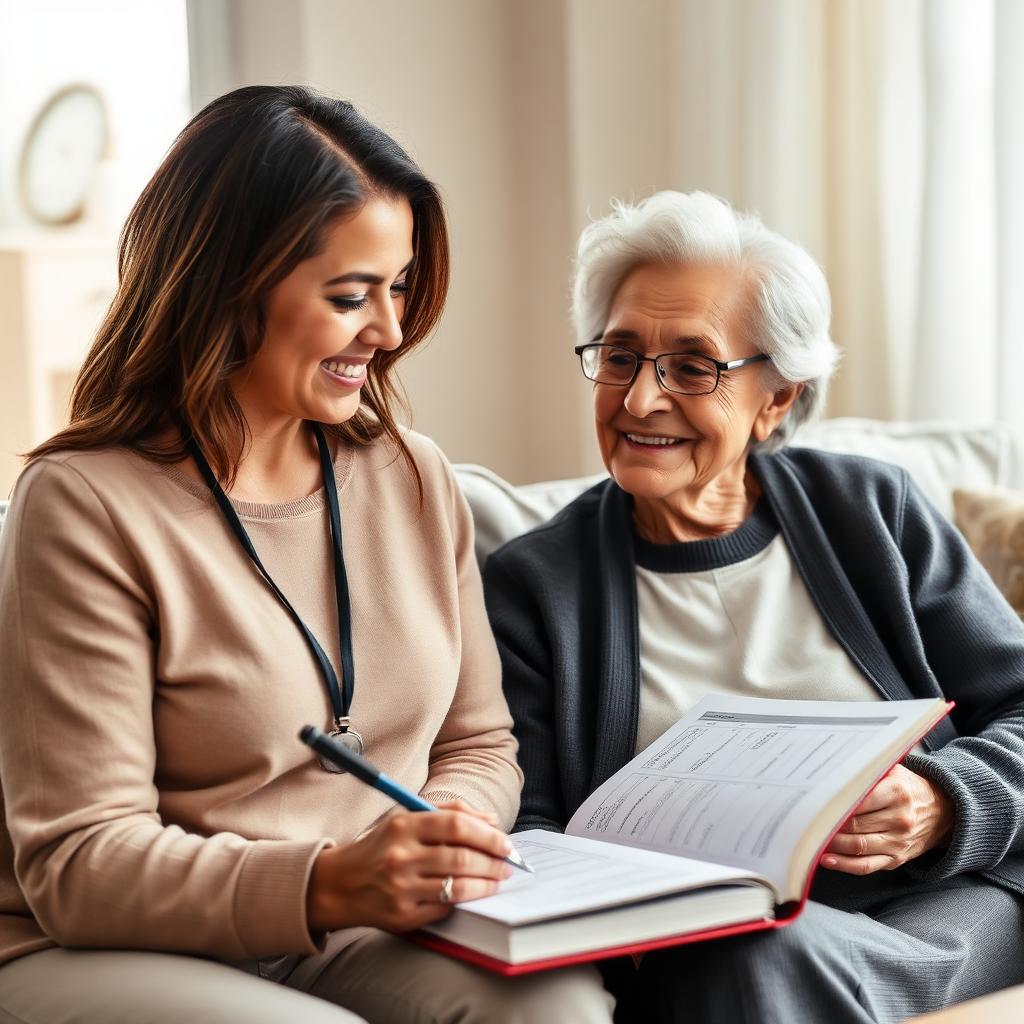
A generic care plan is a list of tasks. A personal care plan is a portrait. The difference shows up in every shift — in how the caregiver greets them, what music plays, how lunch is served, what gets remembered between visits.
The non-clinical details that matter most
What time do they usually wake? What do they like to talk about? What's a topic to gently avoid? Who are the grandkids by name? What show do they watch each evening?
These details are what make care feel human rather than transactional.
Goals, not just tasks
'Help with bathing' is a task. 'Maintain dignity and routine in morning self-care' is a goal. Goals give caregivers room to adapt; task lists turn caregivers into robots.
Family communication standards
Who gets updates, how often, and through what channel. Set this expectation explicitly — it prevents the most common source of family frustration.
Built-in review points
A good plan is reviewed at 30, 90, and 180 days, and any time needs change meaningfully. Care that fit perfectly at the start rarely fits unchanged a year later.
Need to talk it through?